

The “Show Desktop” feature in Windows 11 is a fundamental window management tool that enhances workflow efficiency. This article provides an in-depth technical analysis of its function, optimal configuration for various professional scenarios, and its integration with the broader Microsoft productivity ecosystem.
In the context of modern operating systems, instant access to the desktop is a crutial need. The Show Desktop Windows 11 feature acts as a toggle switch that minimizes or restores all active application windows. Its implementation in Windows 11 has evolved significantly, being directly integrated into the modern Taskbar at the bottom-right corner. This mechanism differs from older Windows versions, where the button was often separate.
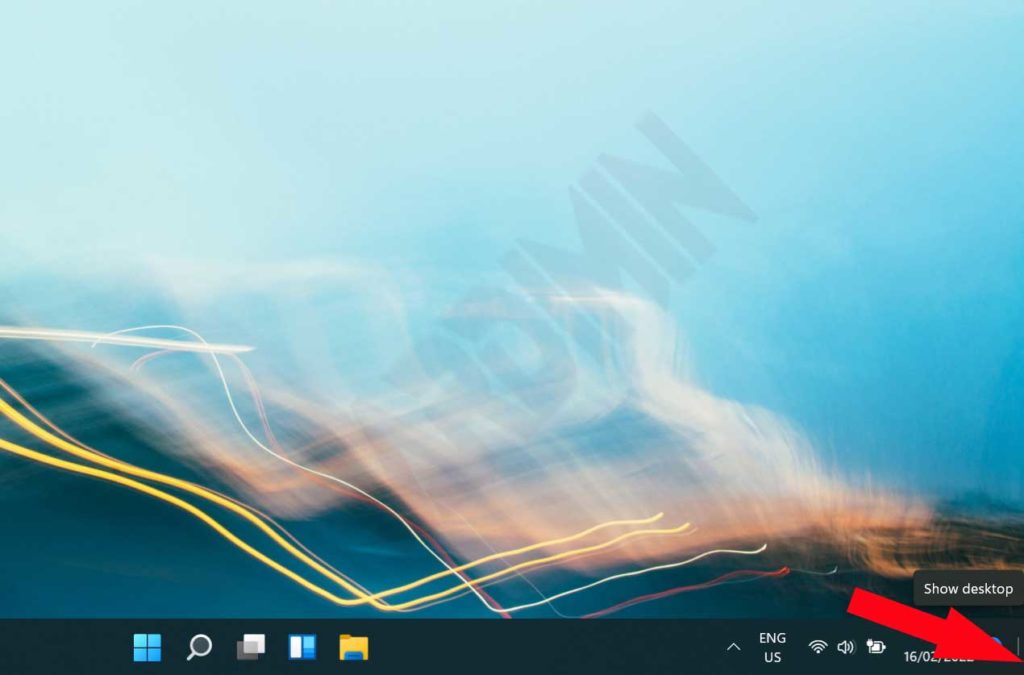
Beyond the click method, Microsoft provides the universal keyboard shortcut Win + D. This shortcut operates consistently across Windows versions and is a staple for power users. However, in multi-monitor setups or during presentations, manual control via the taskbar is often prefered. Therefore, a deep understanding of its configuration is essential.
Functional Analysis and Advanced Use Scenarios
This feature is more than just a window hider. It serves as a digital workspace reset. For IT technicians, it’s vital for quickly accessing desktop shortcuts to run diagnostic tools. Gamers can minimize games without repeatedly pressing Alt+Tab to open background apps like Discord or performance monitors. Meanwhile, creative professionals working with multiple panels can instantly “clear” visual clutter.
Technical Note: The Show Desktop action minimizes windows to the taskbar, it does not hide them. Processes within those applications continue running in the background. This differs from “Hide” or “Peek” modes found in other systems.
The correct configuration depends on individual workflow. Users who frequently present or screenshare may want to disable it to prevent accidental activation. Conversely, intensive multitaskers will find this feature invaluable. Below is a detailed configuration guide.
In-Depth Configuration: Disabling Show Desktop
The steps below access Taskbar behaviors, part of the Windows 11 personalization sub-system that controls user interaction with the taskbar.
- Open the Settings app using the Win + I shortcut. An alternative method is to right-click the Start Button and select “Settings”.
- In the left sidebar, select the Personalization category. Then, in the main panel, click Taskbar. This is the configuration hub for all taskbar-related elements.
- Scroll to the bottom of the page until you find the Taskbar behaviors header. Click to expand it and view granular options.
- Locate the option labeled “Select the far corner of the taskbar to show the desktop”. Uncheck the box next to it.
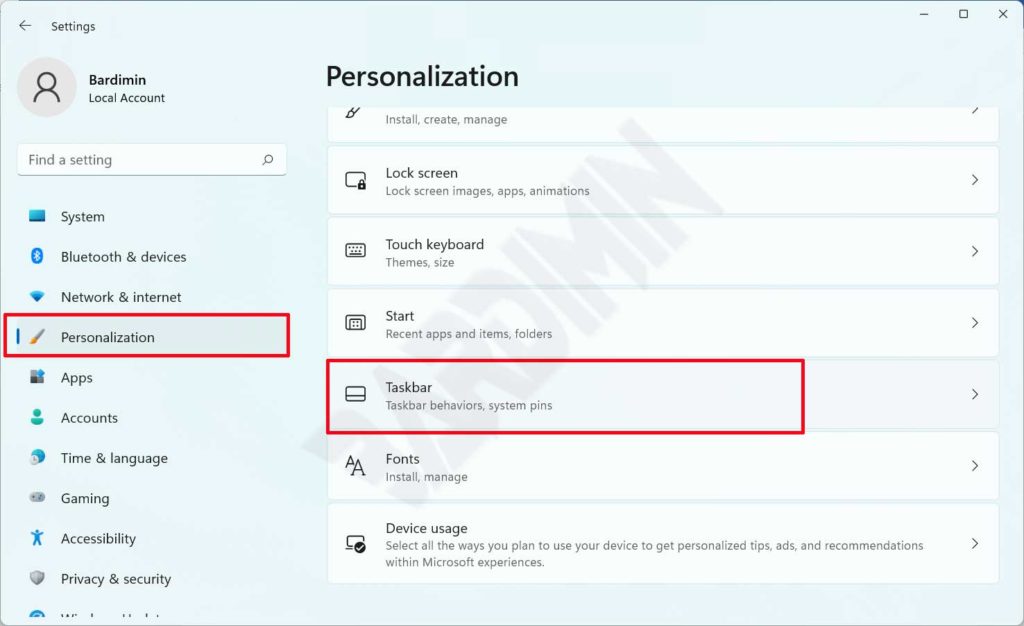
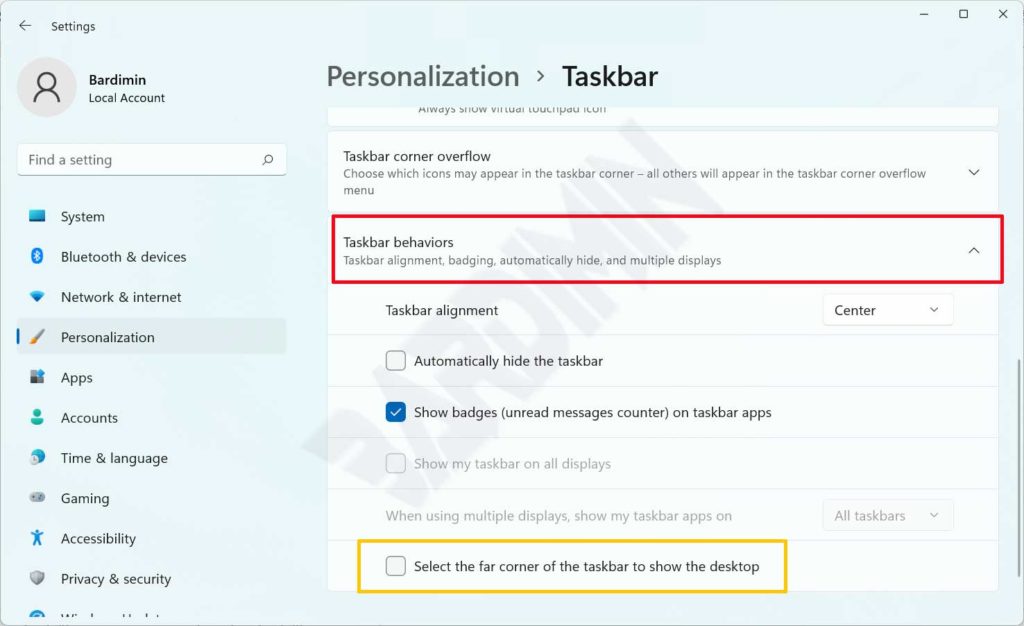
Once disabled, the area to the right of the notification icons (system tray) will no longer respond to clicks for showing the desktop. This change takes effect immediately without a restart. Remember, the Win + D shortcut remains fully funtional, providing flexible access.
Reactivation and Workflow Considerations
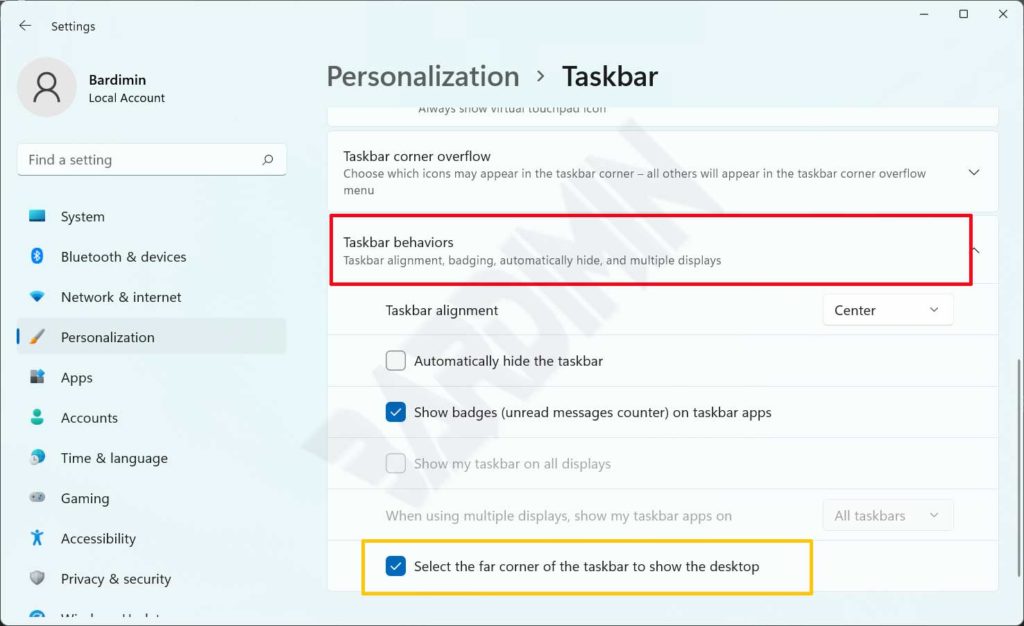
If your workflow changes or you find you need the feature, reactivation is straightforward. Repeat steps 1 through 3 above, then check the same option. The system will immediately restore the funtionality.
For more advanced configuration, such as modifying behavior via Registry Editor or Group Policy, users can refer to official Microsoft documentation. Trusted sources like Microsoft Docs provide in-depth technical information. Integrating Show Desktop with features like Virtual Desktops (Win + Tab) can also create a highly efficient window management flow.
Therefore, mastering the Show Desktop Windows 11 feature is not just about clicking a button. This understanding is part of optimizing your digital enviroment for maximum productivity, whether for technical tasks, development, or gaming. Always evaluate your workflow needs before altering core system configurations.