

Google Chrome blocks downloads to protect your device from malware and viruses. This article explains why downloads are blocked, how Safe Browsing works, and provides a technical guide to temporarily disable this feature for files you trust—tailored for professionals, technicians, and gamers.
How to Disable Chrome Safe Browsing to Fix Blocked Downloads
While browsing with Google Chrome, you might encounter downloads that are suddenly blocked. Chrome’s default Safe Browsing feature acts as a defense layer against viruses, malware, and other threats. However, it can sometimes be overly cautious and block files that are actually safe. For IT professionals, network technicians, or gamers who frequently download large files or game modifications, understanding how to manage this feature is essential.
Blocking occurs because Chrome analyzes each download against Google’s database of harmful sites and files. If a file resembles known malware patterns or originates from an unrecognized source, Chrome halts the download immediately. Although the browser offers a way to temporarily disable this protection, you must be prepared to assume the associated risks.
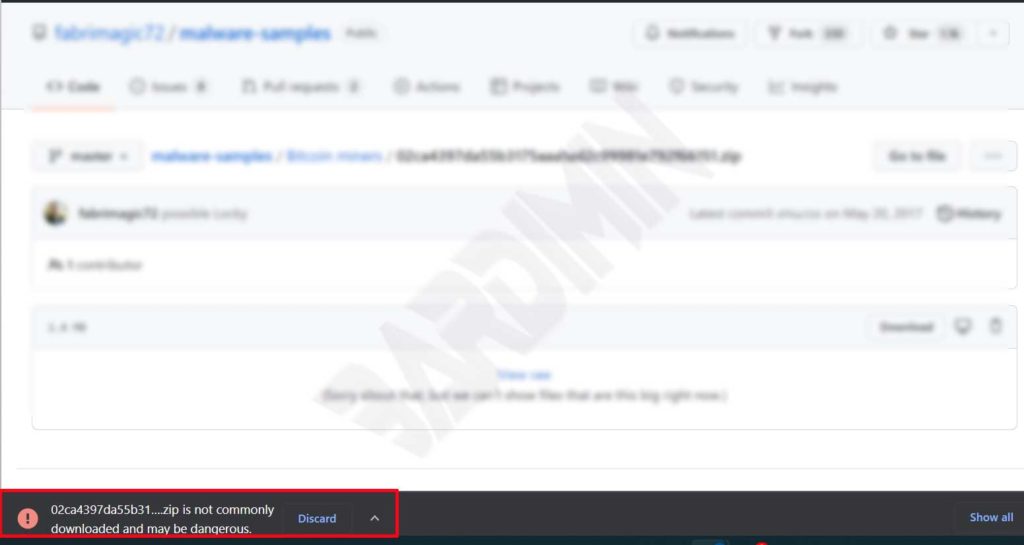
Why Google Chrome Blocks Downloads
Chrome automatically blocks downloads that could harm your device or compromise your online accounts. The security system works in real time, inspecting each file. Key indicators that trigger a block include:
- The file contains viruses or malware that can damage your operating system.
- Potential data leakage of personal information such as cookies, passwords, or browsing history.
- The file attempts to change browser settings without permission—for example, altering the default search engine.
- Modifications to system settings on your computer, such as tweaking Windows registry entries.
- Forced addition of unwanted extensions or taskbars.
- Execution of unauthorized actions within your Google Account, like sending spam emails.
“Chrome’s Safe Browsing is the first line of defense, but understanding its inner workings lets professionals make informed decisions when downloads are blocked.”
Classification of Blocking Reasons by Chrome
Google classifies download threats into distinct categories, helping technicians diagnose why a file was blocked and decide on next steps. Teh specific reasons are:
- Malicious: Chrome detects a file that exactly matches known malware or virus signatures. This is the highest threat level.
- Unwanted: The file falls into the Potentially Unwanted Program (PUP) category. Such software disguises itself as useful but displays excessive ads or modifies browser settings after installation.
- Uncommon: The file is flagged because it is rarely downloaded by other Chrome users and originates from a source with no established reputation. This is a warning for new or niche files.
- Insecure: The download started on a secure page (HTTPS), but the file itself is hosted on an insecure server (HTTP) or has a problematic certificate.
Configuring Safe Browsing Protection Levels
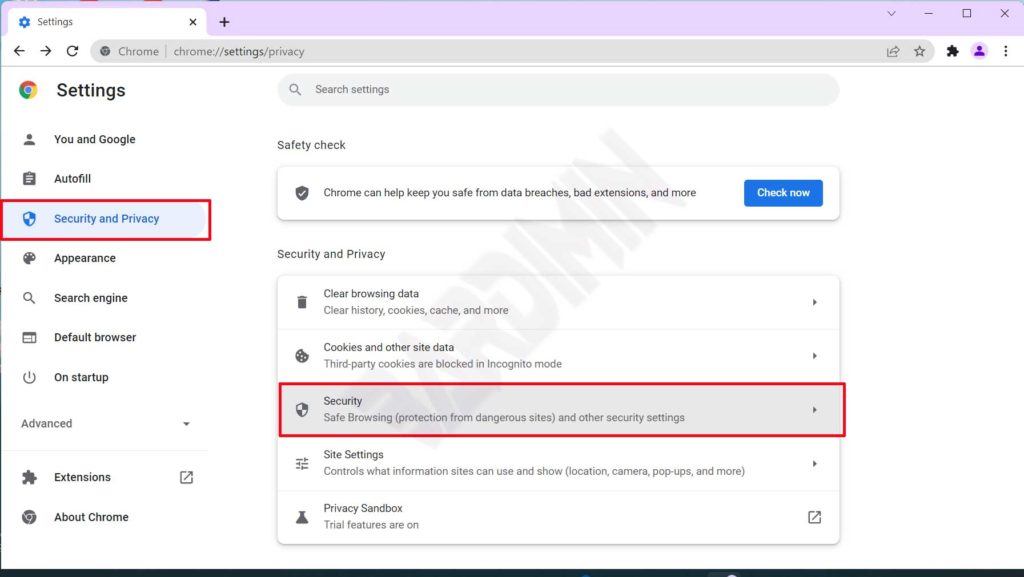
To access Safe Browsing settings, navigate through Chrome’s configuration menu. The steps are straightforward but require attention to detail:
- Click the three vertical dots in the top‑right corner of the browser.
- Select Settings.
- In the left panel, click Privacy and security.
- Then, in the right panel, click Security.
Three Levels of Safe Browsing Protection
Google Chrome offers three adjustable protection levels, each with different implications for security and privacy. These options are located at the top of the Security page.
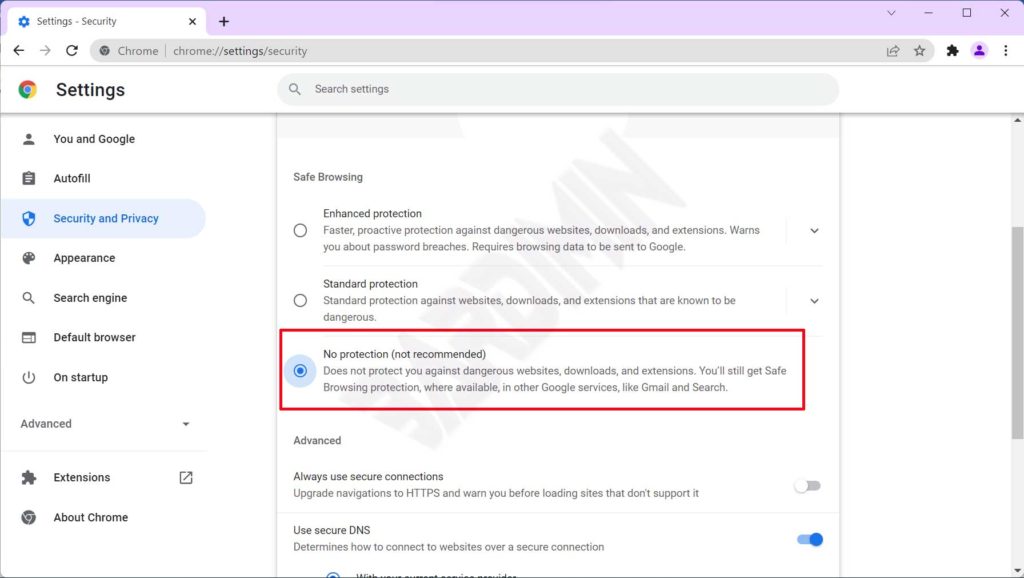
1. Enhanced Protection
- Provides real‑time warnings about risky sites, downloads, and extensions.
- Proactively scans files and sends suspicious ones to Google for deep analysis.
- Automatically alerts you if your passwords are exposed in third‑party data breaches.
- Sends additional browsing data to Google to improve security for all users.
2. Standard Protection
- Warns you based on lists of known dangerous sites and files (updated every 30–60 minutes).
- Lets you opt into password breach notifications.
- Diagnostic data sharing is optional and user‑controlled.
3. No Protection
- Safe Browsing is completely disabled.
- No security checks are performed on sites, downloads, or extensions.
- Not recommended for everyday use.
Critical Warning: Activate “No Protection” only if you are absolutely certain the file is safe. Perform additional verification—scan with local antivirus software or check the file hash on VirusTotal. After the download finishes, immediately re‑enable Standard Protection or Enhanced Protection to keep your device secure.
Practical Guide: Temporarily Disabling Safe Browsing for One Download
For technicians or gamers who need specific files—such as game patches or rare hardware drivers—the following steps will allow a blocked download while minimizing risk. Always verify the source before proceeding.
- Go to Settings > Privacy and security > Security as described above.
- Under “Safe Browsing,” select No protection (not recommended).
- Confirm your choice in the warning dialog. Understand the risks presented.
- Return to the download page and attempt the download again. The block should no longer appear.
- Immediately after the download completes, go back to the Security page and re‑select “Standard protection.”
A safer alternative, especially for technicians, is to use Incognito mode or disable extensions one by one to rule out third‑party interference. However, temporarily disabling Safe Browsing remains the most direct method. Gamers downloading mods from community forums should check the uploader’s reputation and read user comments. Using antivirus software with sandbox capabilities adds an extra layer of safety. This technical approach helps you obtain necessary files while keeping risks under control.