

Microsoft Print to PDF is a built-in Windows feature that lets users save documents as PDF files without third-party software. This article provides a technical guide on adding, removing, and troubleshooting the Microsoft Print to PDF virtual printer in Windows 11, along with alternative solutions for professionals and gamers.
Windows has long included a virtual printer feature called Microsoft Print to PDF, first introduced in Windows 10 and carried over to Windows 11. This tool enables conversion of various document types—from web pages and images to Office files—into PDF format, just as you would print to a physical printer. For technicians, professionals, and gamers, this capability is invaluable for archiving documents, creating offline manuals, or saving game guides as PDFs. However, many users are unaware that this feature can be added or removed via Windows Features. This article will walk you through the management and optimization of Microsoft Print to PDF in depth.
Understanding Microsoft Print to PDF
Microsoft Print to PDF is a virtual printer integrated into the Windows operating system. Unlike physical printers, it doesn’t produce paper output but generates a digital PDF file. The driver leverages XPS (XML Paper Specification) technology to render documents before conversion. Its main advantage is that it requires no additional software installation and works with nearly any Windows application that supports printing.
Microsoft Print to PDF uses XPS technology to produce high-quality PDF files with efficient file sizes.
For professionals like accountants, architects, or developers, this feature simplifies creating PDF reports from ERP, CAD, or IDE applications. Gamers can use Microsoft Print to PDF to save strategy guides, game maps, or control configurations in a clean, shareable format.
How to Add or Remove Microsoft Print to PDF in Windows 11
By default, Microsoft Print to PDF is installed on Windows 11. However, system changes or specific needs may require you to re-add or remove it. Follow these technical steps.
1. Open Windows Features
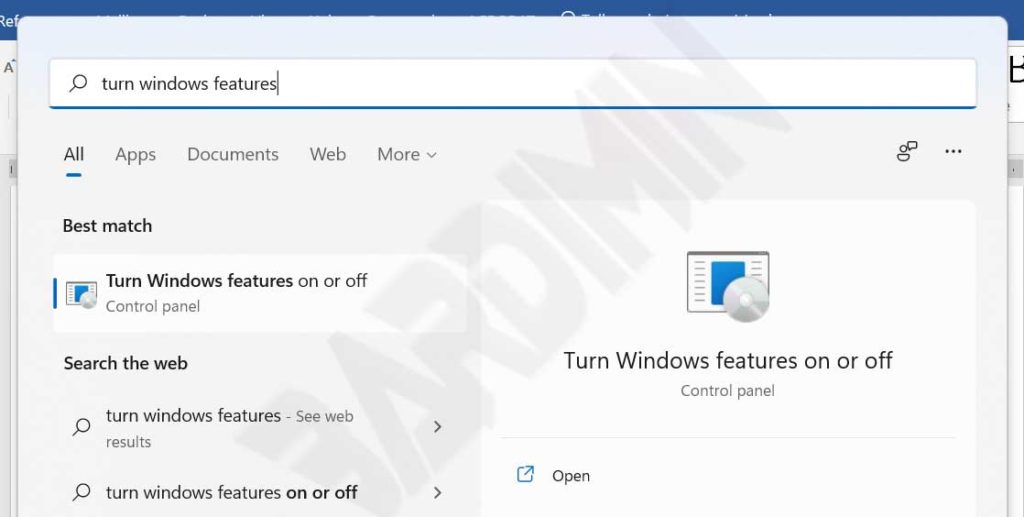
First, access the “Turn Windows features on or off” dialog. Click the Start button, type “Turn Windows features on or off,” and select the matching result. Alternatively, press Windows + R, type optionalfeatures, and hit Enter.
2. Locate Microsoft Print to PDF
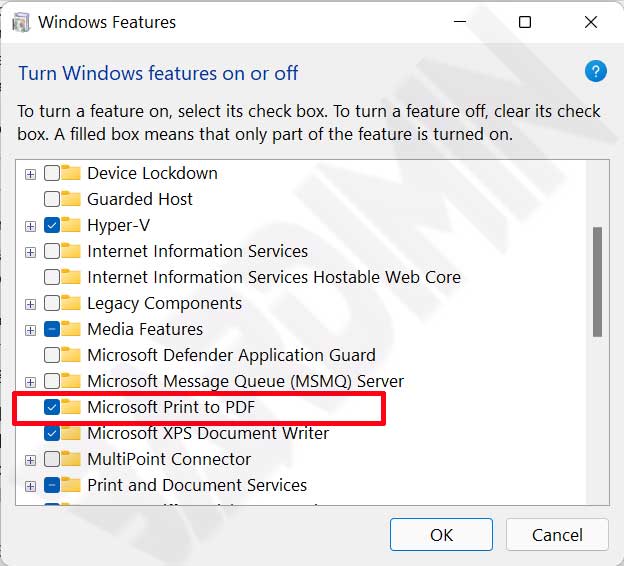
In the Windows Features window, scroll down the list until you find the entry Microsoft Print to PDF. Note that the list is alphabetically sorted. To enable the feature, ensure the checkbox is checked. To disable it, uncheck the box.
3. Apply Changes
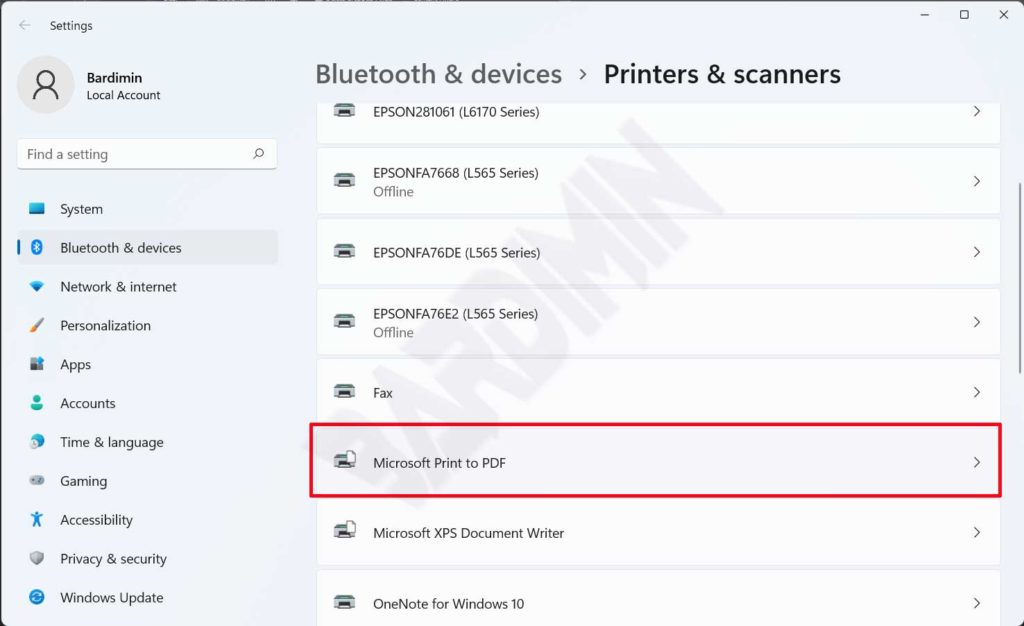
After modifying the checkbox, click OK. Windows will process the change and may prompt a restart. This usually takes a few minutes. Once done, go to Settings > Bluetooth & devices > Printers & scanners to verify that Microsoft Print to PDF appears or disappears from the printer list.
Important: If the feature doesn’t appear after enabling it, try manually restarting your computer. Some Windows Features changes require a reboot to take effect.
How to Use Microsoft Print to PDF
Once you’ve confirmed the virtual printer is available, you can use it from any application that supports printing. Here are example steps for various scenarios.
- Open the document, image, or web page you want to convert.
- Press Ctrl+P or select the Print menu from the application.
- In the print dialog, choose Microsoft Print to PDF from the printer list.
- Adjust print preferences such as orientation, paper size, or quality. Click Printer Properties for more options.
- Click Print. Windows will ask for a location to save the PDF file. Specify the name and folder, then save.
The result is a ready-to-use PDF file. For technical users, this feature supports page settings like booklet, multiple pages per sheet, and scaling, making it suitable for printing code documentation or diagrams.
Troubleshooting Microsoft Print to PDF Not Showing or Errors
Sometimes this virtual printer may not appear even after being enabled, or it may appear but fail to print. Here are troubleshooting steps based on technician experience.
Check the Print Spooler Service
The Print Spooler service must be running for printers to function. Open Services.msc, locate Print Spooler, and ensure its status is Running. If not, right-click and choose Start. Also set Startup type to Automatic. Visit the Microsoft Print Spooler documentation for further details.
Update Printer Drivers
Microsoft Print to PDF drivers are integrated with Windows Update. Ensure your system has the latest updates. Go to Settings > Windows Update and check for updates. Install any available driver updates.
Use DISM and SFC
Corrupted system files can affect this feature. Open Command Prompt as Administrator and type:
DISM /Online /Cleanup-Image /RestoreHealth
sfc /scannow
Wait for the processes to complete and restart your computer.
Reset or Reinstall the Feature
Try unchecking Microsoft Print to PDF in Windows Features, restart, then check it again. This forces Windows to reinstall the component.
Alternatives to Print to PDF for Windows
If Microsoft Print to PDF continues to malfunction or you need advanced features like encryption, compression, or PDF merging, several third-party tools can serve as alternatives. Here are recommendations with official links.
- Adobe Acrobat Pro – A professional solution with comprehensive features, though paid. Visit official site (nofollow).
- doPDF – A free virtual printer supporting various formats. Download here (nofollow).
- Bullzip PDF Printer – Open source with security options and watermarking. Official site (nofollow).
- Foxit PDF Reader – Besides reading, it offers a free virtual printer. Foxit PDF Reader (nofollow).
Choose trusted software that matches your technical requirements.
Conclusion
Microsoft Print to PDF is an essential feature in Windows 11 that simplifies document conversion to PDF at no extra cost. By understanding how to add, remove, and troubleshoot this virtual printer, technicians and professionals can streamline their digital workflows. If issues arise, steps like checking the Print Spooler, running DISM, or reinstalling the feature typically resolve them. As a backup, third-party alternatives offer additional functionality. This guide aims to help you leverage Microsoft Print to PDF effectively, whether for office work, development, or gaming.