

Home security is essential for providing comfort and protection for its occupants. With a good security system, you can feel at ease knowing your home is protected from threats.
However, all these efforts can become meaningless if the locks and doors are not working properly. Small problems such as a stuck lock or a door that won’t lock can pose a big risk. For example, if your lock is broken or stuck, you could be stuck outside your home at the wrong time, or worse, give access to unauthorized people.
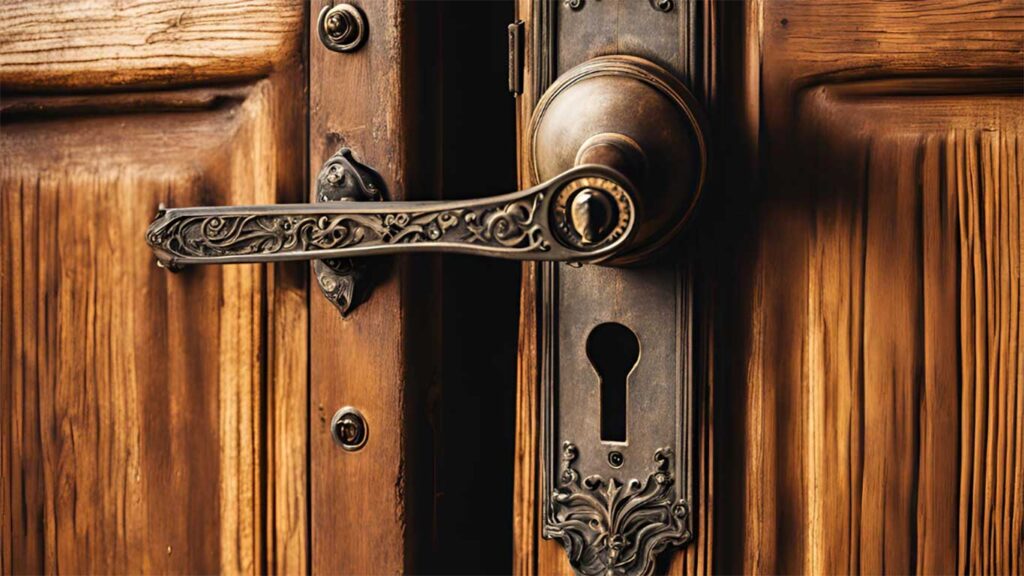
Common Problems with Locks and Doors
Lock Jammed or Difficult to Turn
One of the problems that often occurs with locks is when the lock gets stuck or is difficult to turn. Some of the causes include:
- Corrosion of the lock mechanism due to moisture or bad weather.
- Lack of lubricant, which keeps the inside of the lock dry and increases friction.
- Dirt or dust that accumulates in the keyhole, hindering movement.
Practical Solution:
1. Using WD-40 or graphite lubricant
- Spray WD-40 into the keyhole to allow the liquid to lubricate the entire mechanism.
- Wait a few moments for the lubricant to soak in, then try turning the lock slowly.
2. Graphite from pencil
- Rub the key with a pencil until it is covered with graphite.
- Insert the key into the hole and try to rotate; Graphite will reduce friction.
3. Cleaning dirt
Use compressed air or spray a mild lubricant to remove any dust and dirt that gets in the way.
Crooked Lock
The problem of a bent lock is often overlooked, even though this condition can cause more severe damage. A bent lock is more likely to break during use, especially if it is constantly forced into the keyhole.
How to Straighten a Bent Lock:
1. Using pliers or tongs:
- Hold both bent ends of the lock with strong pliers or tongs.
- Gently press to straighten the lock until it returns to its original shape.
2. Using a vise
- Place the lock between the vise jaws, ensuring the bent part is centered.
- Turn the vise lever to clamp the key, then gently press it until it is straight.
3. Lock test
Once straightened, try the keyhole lock to ensure it is still functional. If it doesn’t work out, consider replacing the lock with a new one.
Solutions for Broken or Locked Locks
Broken Locks Inside the Keyhole
If the lock is broken and there is a part left in the hole, this could be a problem. Here’s how to fix it:
1. Use Long Tweezers:
If the remaining lock is visible slightly, take long tweezers to pull the broken part.
2. Using Paper Clips:
- Straighten two paper clips, inserting one clip on the serrated side of the key, and another on the reverse side.
- Use both clips such as tongs to pull out the rest of the key.
3. Lubricant Spray:
Spray a small amount of WD-40 into the keyhole before attempting to pull the key to loosen the snagged part.
Locked from the Outside
This often happens when you forget to bring a spare key. Here’s the solution:
1. Using Plastic Cards:
- If the door is locked with a spring lock, use a plastic card (such as a gift card, not an important card).
- Insert the card into the gap between the door and the frame around the lock.
- Press the card in a curved motion toward the door handle while pushing the door open.
2. Deadbolt Lock:
If the door is locked with a deadbolt, this won’t work because the deadbolt requires a lock to open.
Deadbolts are safer and more complicated locks than spring locks. If you are locked with a deadbolt:
- Don’t try to disassemble the lock yourself, as this could damage the system.
- Contact a professional locksmith to open the door with a specialized tool.
Key Maintenance
Taking proper care of the lock can extend the life of the lock and prevent problems. Here are the maintenance steps that should be carried out regularly:
Routine Lubrication
Lubrication is essential to keep the lock in good working order.
1. Use Graphite Lubricant or Light Lubricant:
- Graphite: Apply graphite from a pencil to a key to lubricate the inside. Graphite does not attract dust or dirt.
- Lightweight Lubricant: Spray WD-40 onto the keyhole periodically to clean and lubricate the inside. Avoid heavy oils such as 3-in-Ones as they can trap dust.
2. Frequency:
Lubricate every 3-6 months, or more often if the lock is used frequently or exposed to extreme weather.
Replacement of Key and Key Plates
The lock and keyplate should be replaced if they show signs of damage.
1. Signs of Locks Needing to Be Replaced:
- The lock starts to bend or is difficult to turn even though it has been lubricated.
- There are small cracks or fractures in the locks.
- The lock no longer fits in the keyhole.
2. Signs of Key Plates Need to Be Replaced:
- The keyplate hole looks loose so the lock cannot lock properly.
- The keyplate rusts or is damaged due to age or weather.