

In photography, choosing a location is very important and can affect the quality of the photos. Finding a Location for Photography is finding and customizing the ideal place for a shoot, indoors and outdoors. The right location provides good natural lighting and creates an atmosphere that matches the visual concept you want to display.
The quality of the photos is greatly influenced by the location chosen. Natural lighting from large windows or open areas can reduce the need for additional lights, resulting in a more natural look.
In addition, the right background can beautify a photo without requiring a lot of editing. Locations that match the theme of the shoot can also enhance the story you want to tell, helping photographers create more meaningful and engaging images.
When choosing a shooting location, there are several technical factors to consider. Lighting is a key aspect, as the intensity, direction, and color of light can greatly affect the final result.
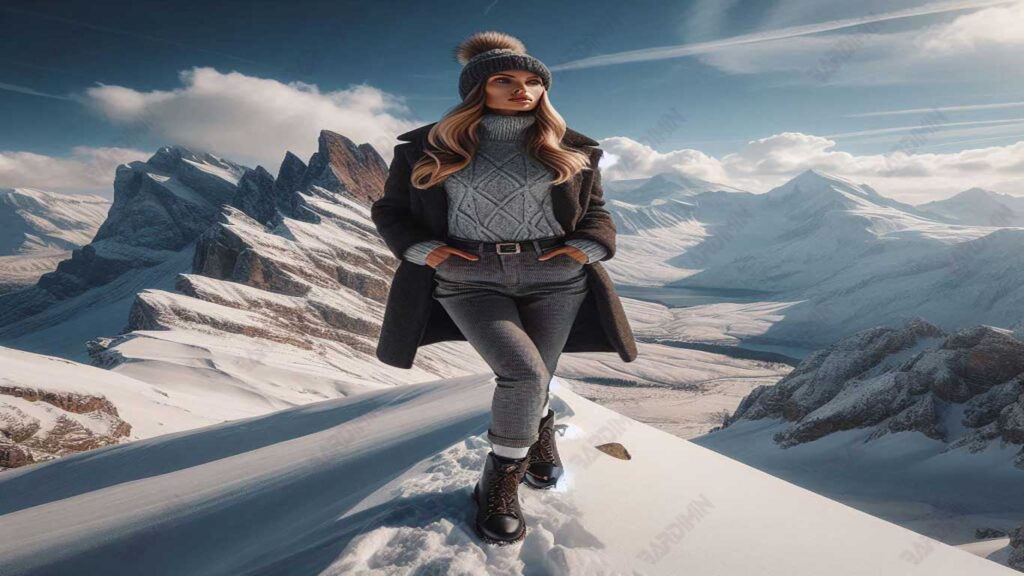
In addition, the background should be carefully chosen to avoid distracting elements. Space and mobility are also important, especially for shooting sessions that require active movement. The security and accessibility aspects of the location must also be considered so that the shooting runs smoothly. Some locations may also require special permits or regulations before being used for professional photography sessions.
Technical Aspects of Choosing a Shooting Location
Choosing a location for a shoot is not only concerned with visual beauty but also having to pay attention to technical aspects that can affect the quality of the photo. Things like lighting, background, space, and mobility need to be carefully analyzed for a shooting session to go well.
Natural Lighting and Artificial Lighting
Lighting is an important element in photography that is heavily influenced by location. Natural lighting from sunlight is often the top choice because it provides a more natural and dynamic result, while artificial lighting can be used to adjust or improve less-than-ideal lighting conditions.
Assessing Light Intensity and Direction
To get optimal results, photographers must pay attention to the intensity and direction of light at the shooting location. Light coming from the side or back of the subject can create a dramatic effect, while light from the front usually results in more even lighting. The use of tools such as light meters or light analysis apps can help assess lighting conditions before the session begins.
Best Time for Lighting-Based Shooting
In outdoor shooting, time has a great influence on the quality of lighting. Golden Hour (when the sun rises and sets) provides soft light with long shadows that are ideal for portraits or landscape photography.
Blue Hour after sunset creates cooler shades of color, perfect for shooting in urban or architectural areas. On the other hand, shooting during the day in hot sunlight often produces sharp shadows, so a reflector or diffuser is needed to soften the light.
Background and Visual Composition
The background plays an important role in creating the aesthetics of the photo and determining the focus on the subject. Choosing the right background can improve the composition and reduce unwanted distractions.
Avoiding Distracting Elements in the Frame
Photographers need to pay attention to objects that could distract focus from the main subject, such as power lines, billboards, or crowds behind models. By applying framing techniques or using a larger aperture (shallow depth of field), background distractions can be minimized so that attention remains on the main subject.
Utilizing Natural Backgrounds to Create Dramatic Effects
Choosing a background that has an interesting texture, such as brick walls, dense foliage, or water reflections, can add depth to your photo. Additionally, backgrounds that have symmetrical elements or natural patterns often enhance the visual appeal of the image, making the composition more appealing.
Space Conditions and Freedom of Movement
The size and structure of the shooting venue affect the photographer’s ability to arrange the composition and lighting.
Adjusting the Size of the Location to the Needs of Shooting
A narrow spot may not be suitable for shoots that require a lot of movement or wide shooting angles. On the other hand, a location that is too large can be a challenge if there aren’t enough elements to give depth to the photo. Therefore, photographers need to tailor the choice of location to the technical needs and desired shooting concept.
Adjusting Model and Equipment Positions Without Space Limitations
Limited space can make it difficult to place additional lighting, reflectors, or other photographic equipment. To solve this problem, photographers can take advantage of the corners of the room, and windows as a natural light source, or use lenses with shorter focal lengths to capture a larger area in a single frame without sacrificing focus on the main subject.
Choosing the Ideal Shooting Location
Before taking a photo shoot, it is important to do research and prepare the location so that the results are maximized. By utilizing digital technology and proper evaluation methods, photographers can assess the location virtually without the need for a live survey. Additionally, an understanding of lighting, weather, and location accessibility will help avoid technical issues during the shooting session.
Using Digital Tools to Assess Location
Digital technology allows photographers to evaluate the location online before making a physical visit. Some of the tools that can be used include:
- Google Street View → Useful for assessing the appearance of the surrounding area, the conditions of the outside lighting, and the presence of elements that may be distracting in the frame.
- Lighting apps (such as Sun Seeker, and The Photographer’s Ephemeris) → Help analyze the direction and intensity of natural light based on the time and location of the shoot.
- Reference photos from other photographers → Viewing the results of a shoot at the same location can give you an idea of possible compositions and technical challenges that may be encountered.
Using these tools, photographers can assess the location without having to come in person, saving time and transportation costs.
Simulation of Lighting and Environmental Conditions
Natural lighting can vary significantly depending on the time and weather. To overcome this, photographers can apply several simulation techniques, including:
Using natural light prediction apps
Apps like Lumos or PhotoPills help photographers know the position of the sun at any given time, so they can plan shots with optimal lighting.
Taking into account the impact of weather on outdoor shooting
Cloudy weather can provide a soft glow that is perfect for portraits, while scorching sunlight can create sharp shadows. Therefore, it is very important to check the weather forecast before the shoot to avoid unfavorable conditions.
This simulation supports photographers in planning lighting strategies and setting shooting schedules more efficiently.
Technical checklist before the shoot
In addition to evaluating lighting and environmental conditions, there are a few technical things to check before starting a shooting session:
Location security
Make sure the location is safe for photographers, models, and teams. Avoid high-risk areas such as heavy traffic areas, unstable buildings, or remote locations without communication access.
Access to electricity and additional power sources
If using artificial lighting, make sure the location has access to electricity or need to bring a portable generator. For shooting in remote locations, have a spare battery ready for the camera and lights.
Location accessibility
Make sure the location is easy to reach and has supporting facilities such as parking, restrooms, and changing rooms for models or teams.
Techniques for Optimizing Locations for Photography
Once you’ve determined the right location, the next step is to optimize the surrounding elements to get the best possible results. This technique includes adjusting the camera settings, using visual composition, and exploring surrounding properties and elements to create more interesting artistic effects.
Adjusting camera settings based on location conditions
Each location has unique lighting challenges and characteristics, so camera settings need to be adjusted to keep the resulting photos optimal.
Aperture, ISO, and Shutter Speed settings
Aperture (f-stop)
For low-light on-site shooting, use a wide aperture (f/1.8 – f/2.8) to allow more light to enter. If you want the background to be sharp, choose a smaller aperture (f/8 – f/11).
ISO
In a bright location, use a low ISO (100-200) to avoid noise. In dark places, increase the ISO gradually, but avoid values that are too high so that excess grain does not appear.
Shutter Speed
For still subjects, use a shutter speed of about 1/125s – 1/250s. If shooting moving objects, such as running water or vehicles, adjust them to the desired effect (faster for freezing motion, slower for blur effects).
Selecting Lenses That Match the Character of the Location
- Wide-Angle Lens (10-24mm): Ideal for narrow locations or scenes that require wide coverage.
- Prime Lens (35mm or 50mm): Perfect for portraits with natural backgrounds that still look aesthetically pleasing.
- Telephoto Lens (70-200mm): Useful for capturing subjects from a distance or creating more dramatic background compression effects.
Organizing Composition and Framing Based on Location
Visual composition is essential to make photos look more attractive and lively. Here are some techniques that can be applied:
Guidelines and Depth Techniques for More Interesting Results
- Make use of natural lines such as roads, fences, or windows to direct the viewer’s attention to the main subject.
- Use foreground elements (such as tree branches or nearby objects) to add depth to your photos.
Use of Foreground and Background in Limited Space
- In tight locations, use foreground elements such as doors or windows to give the photo dimension.
- Adjust the framing by changing the angle of the shot so that the background doesn’t overpower the main subject.
Utilizing Properties and Surrounding Elements to Enhance Visuals
Using natural or artificial elements on location can add artistic value to the resulting photos.
Utilizing Natural Reflections, Shadows, and Textures
- Reflection: Use mirrors, water surfaces, or windows to create an interesting reflection effect.
- Shadows: Place the subject in an area that gets a unique shadow from leaves, window grids, or other objects to add texture to the image.
- Natural Textures: Use brick walls, old wood, or rough surfaces as backgrounds to provide richer visual contrast.
Real Examples
Each shooting location has its challenges, both in terms of lighting, movement space, and surrounding elements. However, with the right technique, photographers can turn those limitations into unique visual advantages. Here are some case studies and real-life examples of how photographers optimize locations to produce high-quality images.
Examples of Shooting in Narrow Locations with Maximum Results
One of the biggest challenges in photography is working in a location with limited space, such as a small hotel room, a narrow hallway, or a café with a lot of furnishings.
A fashion photographer was shooting in a small hotel room with only one window as the main light source. By utilizing transparent curtains as a natural diffuser and placing the model near the window, he managed to create a soft lighting effect that gave the photo an elegant and professional result.
Corporate Headshot Shoot in the Office
Match the background to a professional work environment (e.g. plain walls or windows with views of city buildings).
Use additional lighting to remove harsh shadows produced by office lights.
Prewedding Photoshoot at an Outdoor Location
Use natural backgrounds such as forests, beaches, or old buildings that fit the couple’s story.
Utilize the golden hour to create a warm and romantic light effect.
Small Indoor Product Shooting
Use a folding table with a simple background to create a mini studio.
Utilize table lamps with diffusers to make the light softer and more even.
Improvisation When Facing Obstacles on Location
A street photographer plans to shoot at a traditional market, but the location is too crowded and the lighting is dim. He then used a panning technique with a slow shutter speed to capture the movements of people around him without losing focus on the main subject. As a result, he gets photos with interesting dynamic effects.