

Repairing electricity at home can be difficult, especially for people who are not familiar with it. Knowing the basics of electrical repair is important to keep the appliance working and protect your safety and your family.
However, handling electricity without sufficient knowledge can be dangerous. If preventive measures are not taken correctly, risks such as short circuits, burns, or fire can occur. Therefore, it is important to understand the basic techniques and know when to call an expert to avoid danger.
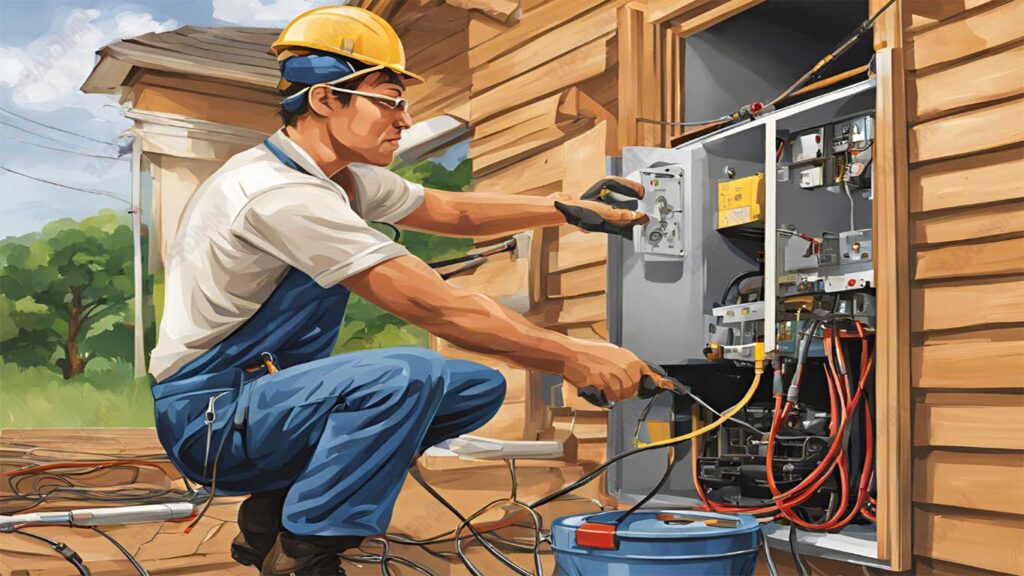
Common Electrical Problems in the Home
Electricity is very important in daily life, but often problems arise that can interfere with activities. Here are some electrical problems that often occur in homes and need to be fixed immediately:
1. Sudden Power Outage
A sudden power outage can make the house dark and all activities stopped. This can be caused by a fault in the power grid, overloading the circuit, or damage to the MCB or GFCI in the home’s electrical panels.
2. Socket or Plug Feels Hot
If the socket or plug feels hot during use, it indicates a problem with the electrical connection. The cause can be dirty contacts, old wires, or overload on the socket. If left unchecked, this can lead to a short circuit or fire.
3. Lights Often Turn Off or Flicker
This problem is usually caused by loose connections, lamp wattage that does not match the capacity, or the use of low-quality lamps. In addition, components such as dimmer switches that do not match the LED lights can also be the cause.
4. Power Tools Not Working Properly
Household appliances such as microwaves, refrigerators, or irons that suddenly malfunction may have internal problems or cause a trip circuit. This often happens due to electrical overload or damaged appliance components.
How to Solve Electrical Problems at Home
Solving electrical problems at home requires proper and safe steps. Here is a simple guide to some common issues:
1. Check the Electrical Panel
a. How to Safely Check MCB or GFCI
- Make sure your hands are dry before touching the electrical panel.
- Use a small flashlight to see conditions in the panel, especially in dark places.
- Check for MCB (Miniature Circuit Breaker) or GFCI (Ground Fault Circuit Interrupter). If one of the switches is in the “Off” position, this could be the cause of the power outage.
b. How to Turn on Electrical Power
- Determine if the outage occurs throughout the house or just in one circuit.
- If it’s only one circuit, return the MCB or GFCI position to “On.”
- If the power goes out when switching on a particular appliance, turn it off before attempting to turn the MCB back on.
- If power is still interrupted, unplug all tools from the circuit and try again. This can help find problematic tools.
2. Overcoming Hot Sockets
a. Clean Contact with Fine Sandpaper
- Unplug all devices from the socket.
- Use fine sandpaper to clean the prongs on the plug and contacts in the socket to prevent oxidation.
- Keep the socket dry before using it again.
b. Replace Damaged Sockets or Cables
- If the socket is still hot after cleaning, consider replacing it.
- Carefully unplug the old socket using a screwdriver, then install a new socket with the same specifications.
- If heat is coming from the power tool cord, replace it or contact a technician for further inspection.
3. Repair Lights That Often Go Off
a. Check the Light Connection
- Turn off the power to the light by turning off the switch and MCB on the electrical panel.
- Remove the bulb from its place, then check for loose connections or any damage to the light holder.
- If the holder appears to be bent, use a small tool such as a flathead screwdriver to carefully straighten the contacts.
b. Clean the Light Contacts Carefully
- Make sure the power is off.
- Use fine sandpaper to clean the light holder contacts from rust or debris that interferes with the flow of electricity.
- Wipe the contact with a clean cloth to remove any dust or debris.
c. Replace the Lights with LED or CFL Type for Efficiency
- Choose a quality LED or CFL light according to the maximum wattage recommended for your lamp.
- LED lights are more durable and energy-efficient, while CFLs are suitable for less frequent use.
- Avoid low-quality lights that can cause problems such as quick shut-off or flickering.
4. Dealing with Interference in Electronic Devices
a. Find the Tool That Causes the Short Circuit
- If the power goes off frequently when a particular appliance is switched on, unplug the appliance and try to turn it on again.
- Connect the tools one at a time to find out which one is causing the short circuit.
- Problematic tools must be checked or repaired by a technician.
b. Tips for Caring for Tools to Make Them Durable and Safe
- Use electronic devices as directed, including the allowable wattage limit.
- Do not plug high-power tools into the power strip, as this may cause overheating or short-circuiting.
- Check the cable regularly to make sure it is in good condition.
8 Ways to Improve Electrical Safety at Home
Improving electrical safety in the home is essential to protect families and property from fire hazards and electrical accidents. Here are eight effective ways to improve electrical safety in your home:
1. Avoid Using Power Strips for High-Power Devices
Using power strips for devices that require a lot of power such as heaters, irons, and ovens can cause overloads that risk fire. It is recommended to connect the device directly to the appropriate wall socket.
2. Check Cables and Sockets Regularly
Performing periodic inspections of cables and sockets is essential to find damage such as cracks or chipped wires. If you find a damaged cable, replace it immediately to avoid a short circuit.
3. Don’t Run Power Cables Under Carpets
Running the power cord under the carpet may cause the cord to overheat and increase the risk of fire. It’s best to lay cables along walls or use cable channels to keep them safe and visible.
4. Keep Cables and Devices Dry
Moisture can cause a short circuit and damage electrical equipment. Make sure all electrical cables and devices are protected from water. If there is a leak, fix it immediately to prevent further problems.
5. Use Electrical Protective Equipment
Install a GFCI (Ground Fault Circuit Interrupter) in humid areas such as bathrooms and kitchens to protect against electric shock. The GFCI will cut off the power supply if a current imbalance is detected.
6. Ensure Good Ventilation
Make sure the electrical appliance is adequately ventilated so that it does not overheat. Avoid placing the device in an enclosed place or too close to other heat sources.
7. Turn off the device when not in use
Turn off all electrical devices that are not in use, especially those that use high power because they can cause heat. This will save energy and reduce the risk of fire.
8. Replacing Old Cables
If your home has old wiring or a substandard electrical system, consider replacing it with a safer system. Contact a professional electrician to check and update if necessary.
Before repairing the electricity, turn off the power in the main panel to avoid shock. Use the right tools and make sure the work area is dry. If you don’t understand, call an experienced technician. Always use protection such as insulating gloves and rubber shoes. If there is serious damage, such as sparks or burning odors, stop work and contact a professional. Your safety is paramount!